Arvo Pärt. Complete piano music.
Across nearly five decades, Arvo Pärt’s piano music traces one of the most remarkable transformations in twentieth-century music: from the neoclassical energy and modernist experimentation of his early works to the radical simplicity of tintinnabuli. Diagrams brings together Pärt’s complete music for piano, revealing how qualities that remain central to his art – clarity, discipline and an extraordinary sensitivity to sound – take profoundly different forms throughout his creative journey.
The early Sonatinas and Partita combine neoclassical forms with an increasingly uncompromising harmonic language, while the playful Four Easy Dancespreserve something of the spontaneity of Pärt’s music for children and theatre. At the centre of the album stands Diagrams (1964), a rigorously constructed work from Pärt’s modernist period. In striking contrast, Für Alina (1976) marks the emergence of tintinnabuli: music reduced to its essentials, in which a freely unfolding melodic line and a strictly governed tintinnabuli voice exist in an inseparable relationship.
The later works extend this language into deeply personal musical spaces. Variations for the Healing of Arinushka develops an entire expressive world from the smallest musical nucleus, while Pari intervallo, Hymn to a Great City, Für Anna Maria and the beloved Ukuaru Waltz reveal different facets of Pärt’s characteristic economy and emotional directness. Beneath their apparent simplicity lies an intense concentration in which every note, silence and resonance acquires significance.
For Tähe-Lee Liiv, Pärt’s music has been part of her musical life since childhood: Butterflies from Four Easy Dances was one of her earliest favourite pieces. Her relationship with this repertoire later deepened through performances at the Arvo Pärt Centre and through the support of Arvo and Nora Pärt and the Centre in exploring his music. Recorded as her debut album and released on her twentieth birthday, Diagrams is both a portrait of Pärt’s extraordinary journey at the piano and a deeply personal encounter between a young Estonian pianist and the music that has accompanied her from childhood.
Arvo Pärt. Complete piano music.
Across nearly five decades, Arvo Pärt’s piano music traces one of the most remarkable transformations in twentieth-century music: from the neoclassical energy and modernist experimentation of his early works to the radical simplicity of tintinnabuli. Diagrams brings together Pärt’s complete music for piano, revealing how qualities that remain central to his art – clarity, discipline and an extraordinary sensitivity to sound – take profoundly different forms throughout his creative journey.
The early Sonatinas and Partita combine neoclassical forms with an increasingly uncompromising harmonic language, while the playful Four Easy Dancespreserve something of the spontaneity of Pärt’s music for children and theatre. At the centre of the album stands Diagrams (1964), a rigorously constructed work from Pärt’s modernist period. In striking contrast, Für Alina (1976) marks the emergence of tintinnabuli: music reduced to its essentials, in which a freely unfolding melodic line and a strictly governed tintinnabuli voice exist in an inseparable relationship.
The later works extend this language into deeply personal musical spaces. Variations for the Healing of Arinushka develops an entire expressive world from the smallest musical nucleus, while Pari intervallo, Hymn to a Great City, Für Anna Maria and the beloved Ukuaru Waltz reveal different facets of Pärt’s characteristic economy and emotional directness. Beneath their apparent simplicity lies an intense concentration in which every note, silence and resonance acquires significance.
For Tähe-Lee Liiv, Pärt’s music has been part of her musical life since childhood: Butterflies from Four Easy Dances was one of her earliest favourite pieces. Her relationship with this repertoire later deepened through performances at the Arvo Pärt Centre and through the support of Arvo and Nora Pärt and the Centre in exploring his music. Recorded as her debut album and released on her twentieth birthday, Diagrams is both a portrait of Pärt’s extraordinary journey at the piano and a deeply personal encounter between a young Estonian pianist and the music that has accompanied her from childhood.

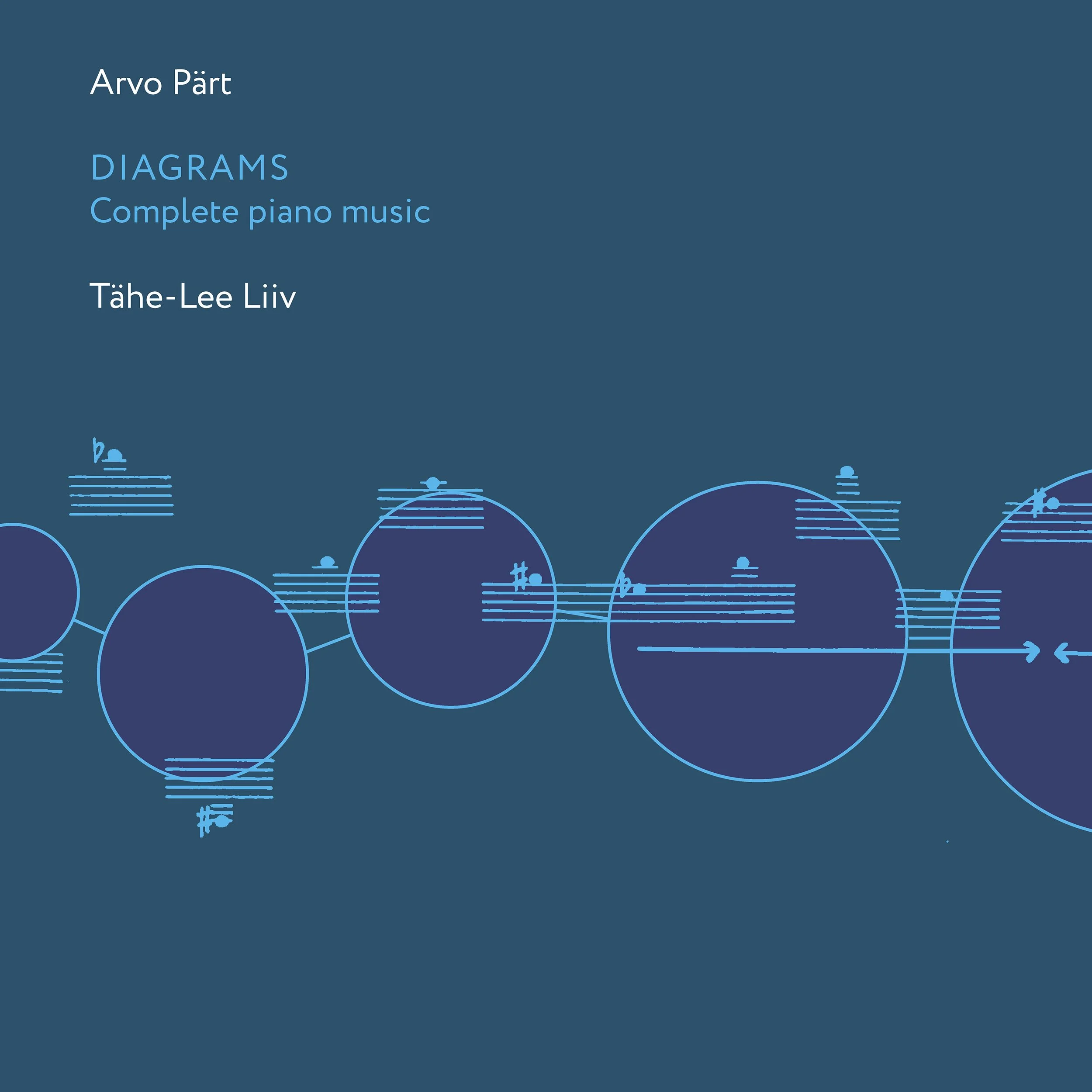 Image 1 of 19
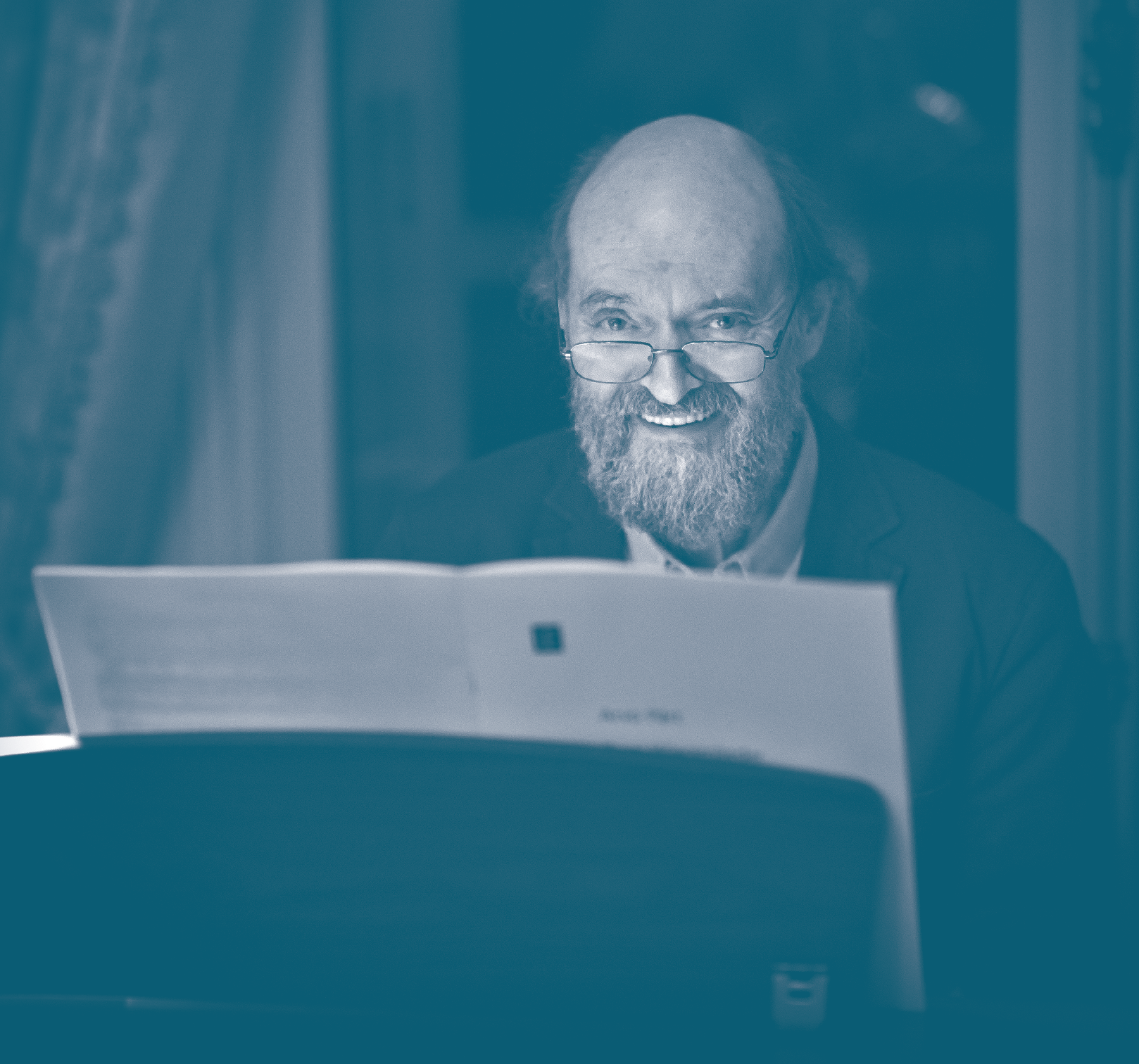 Image 2 of 19
 Image 3 of 19
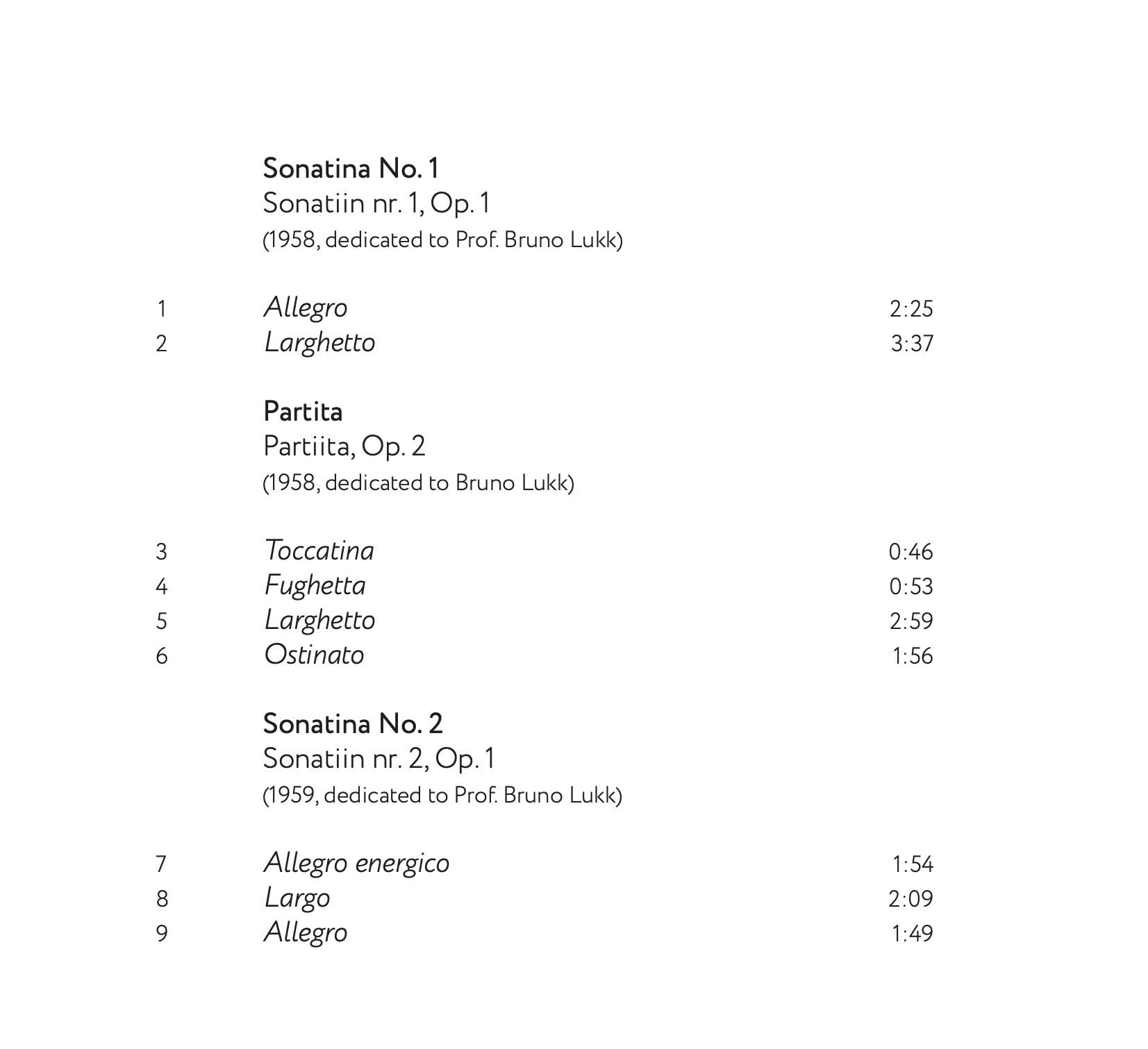 Image 4 of 19
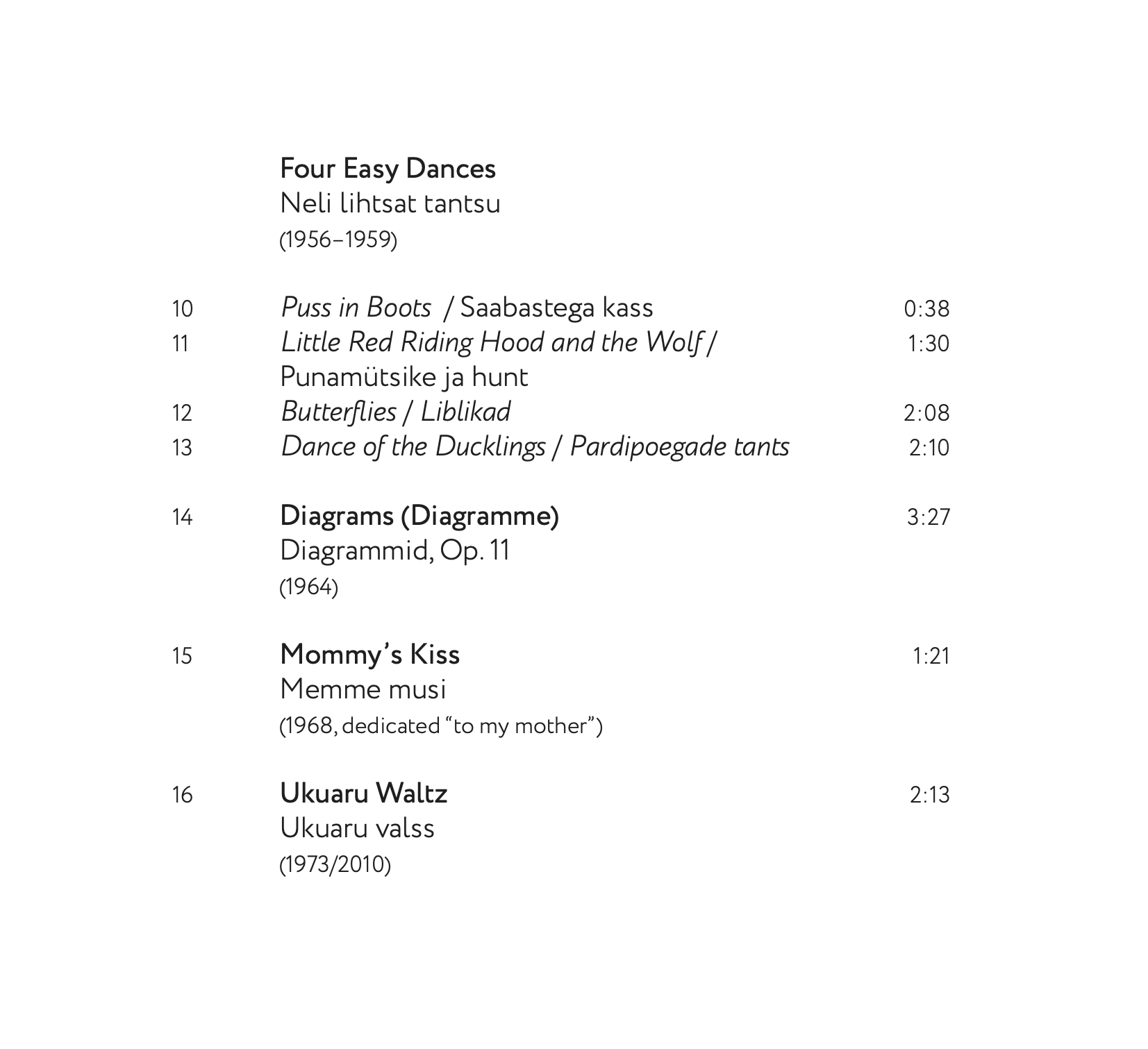 Image 5 of 19
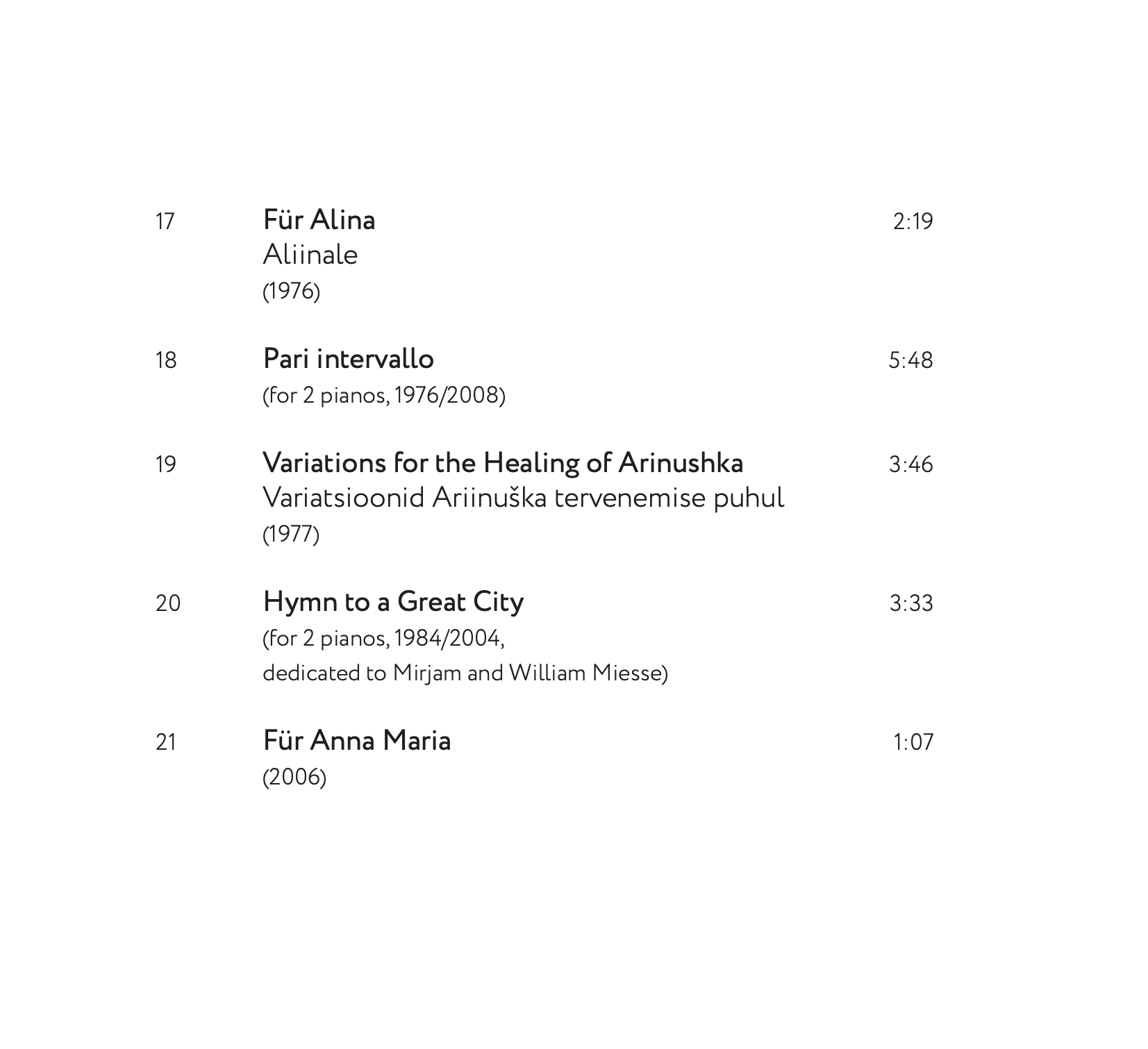 Image 6 of 19
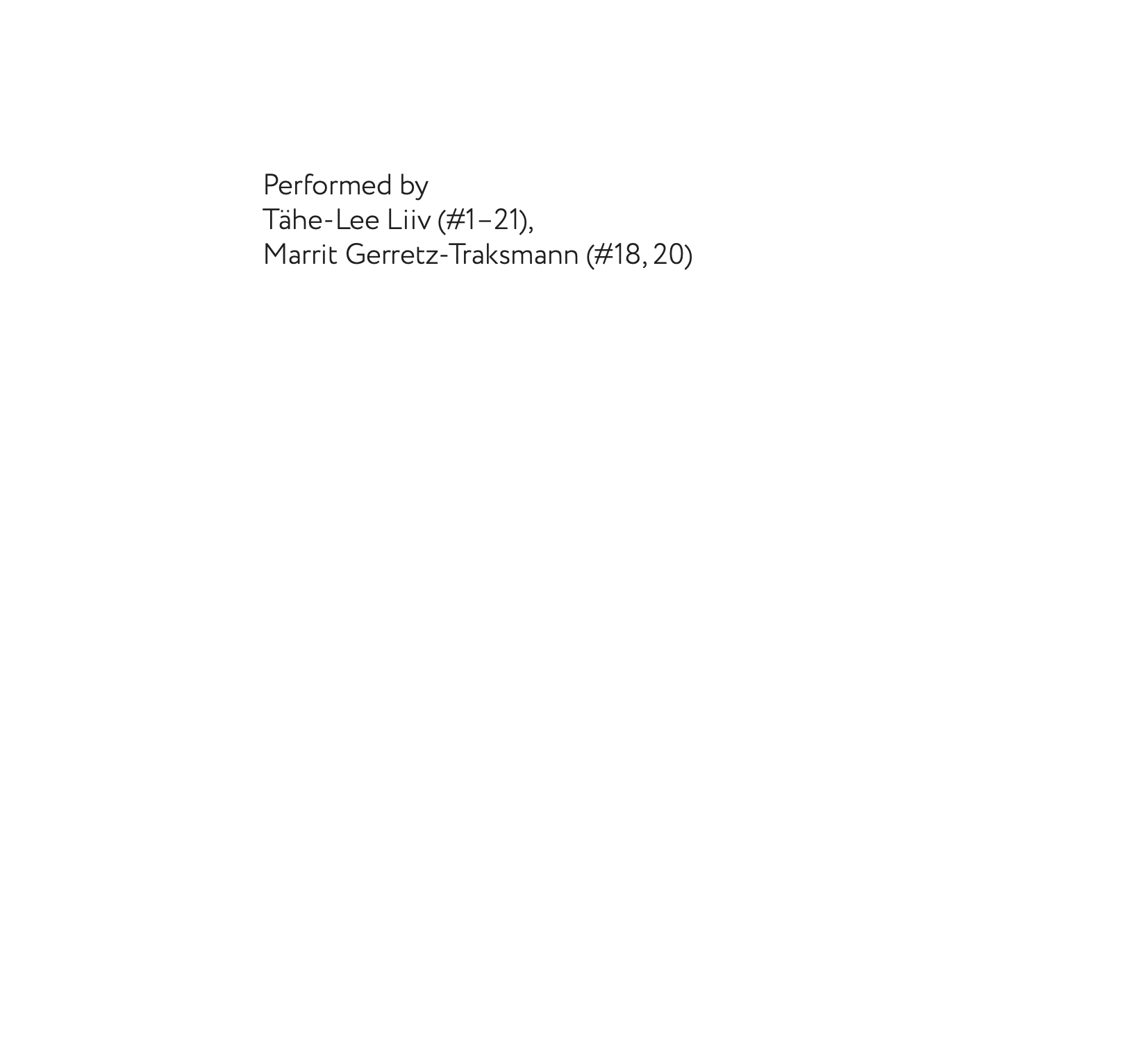 Image 7 of 19
 Image 8 of 19
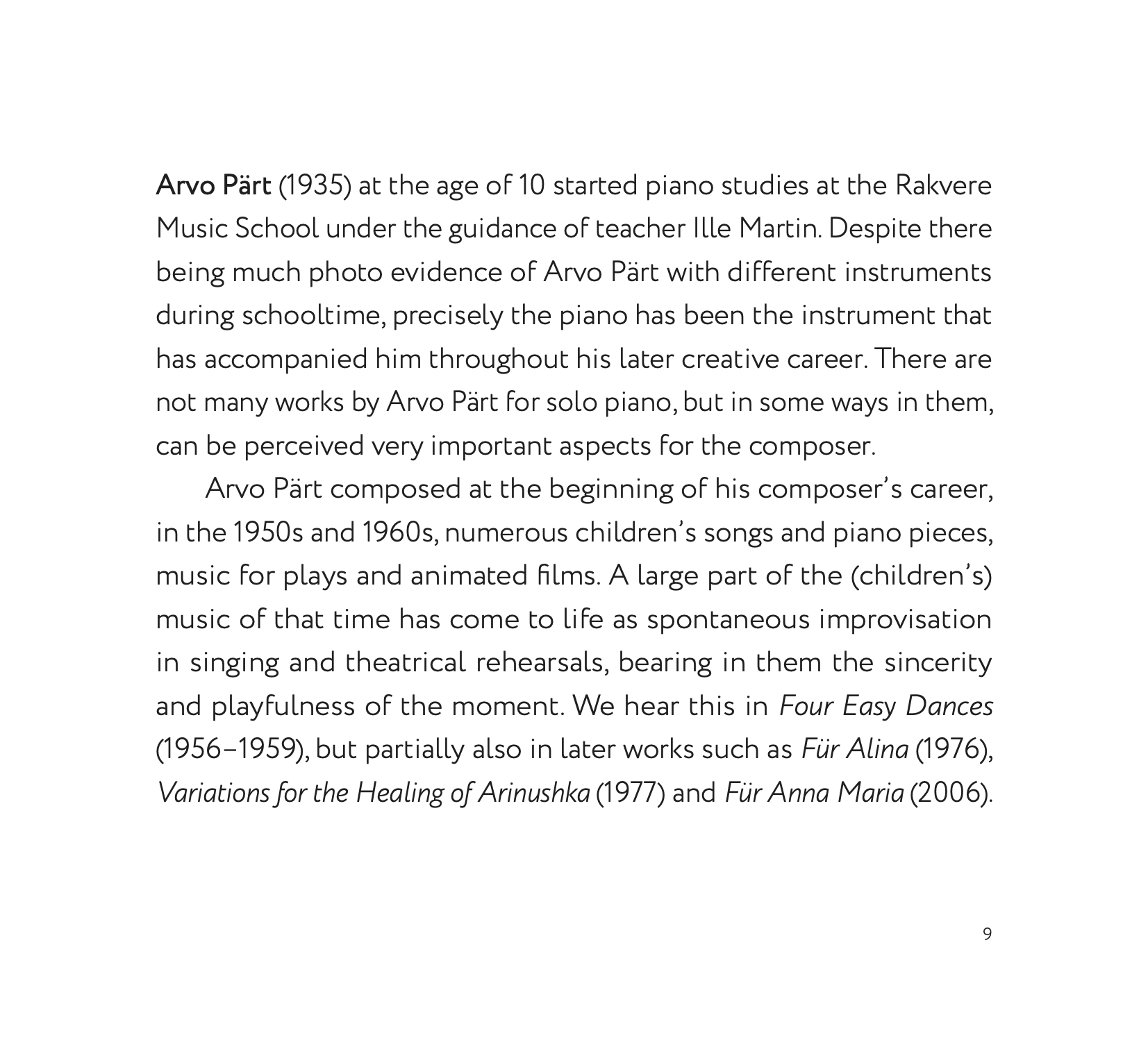 Image 9 of 19
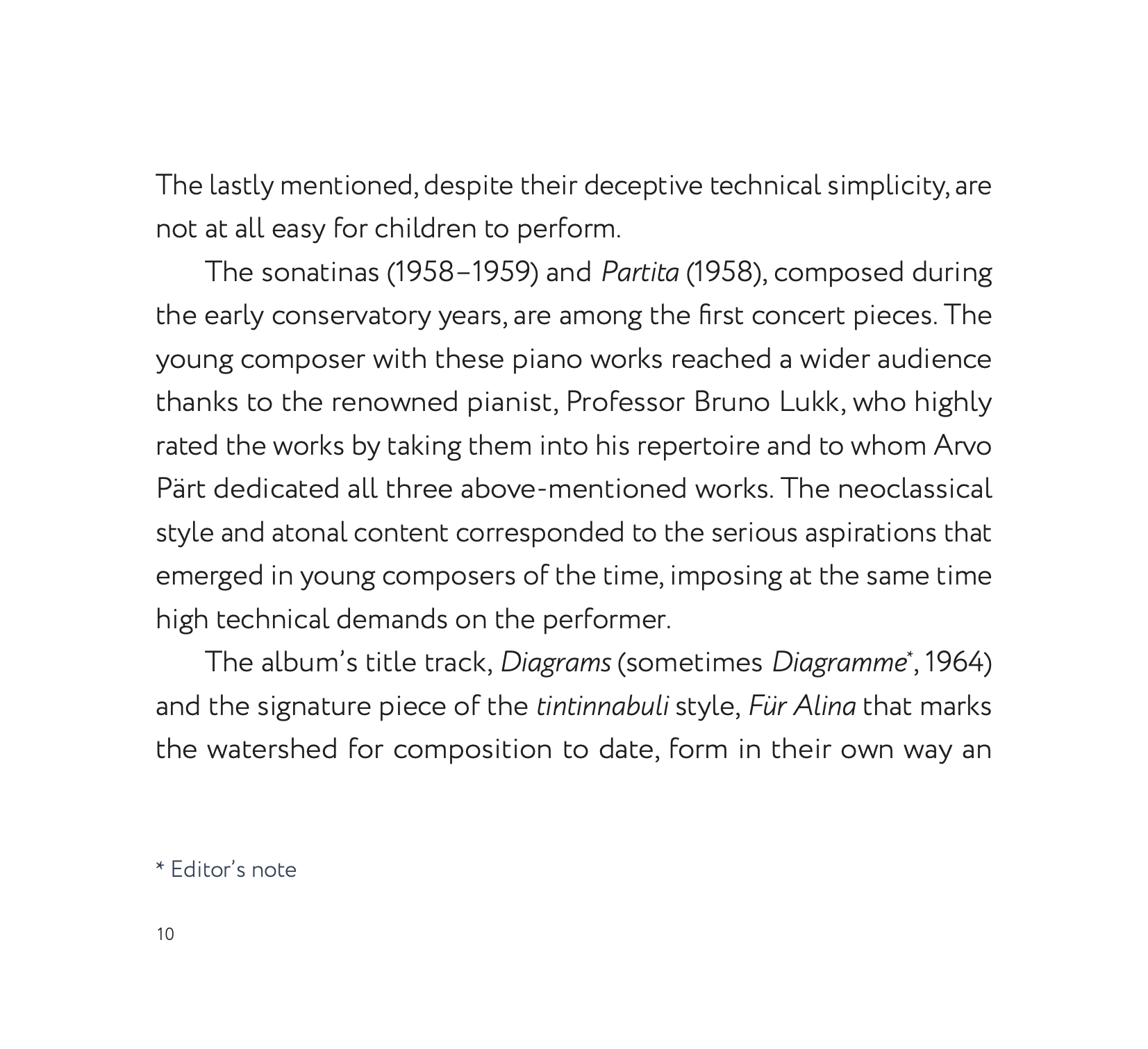 Image 10 of 19
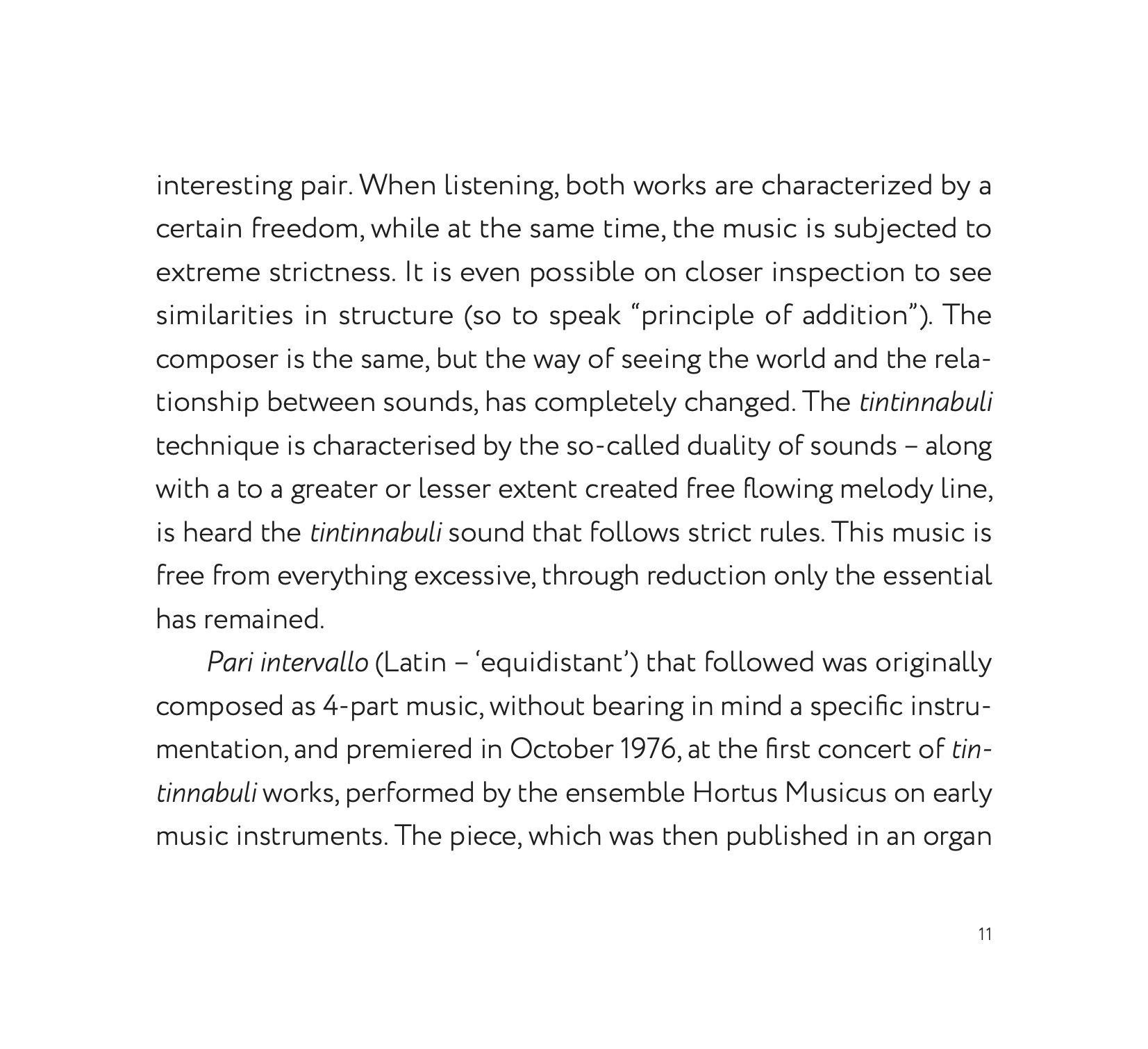 Image 11 of 19
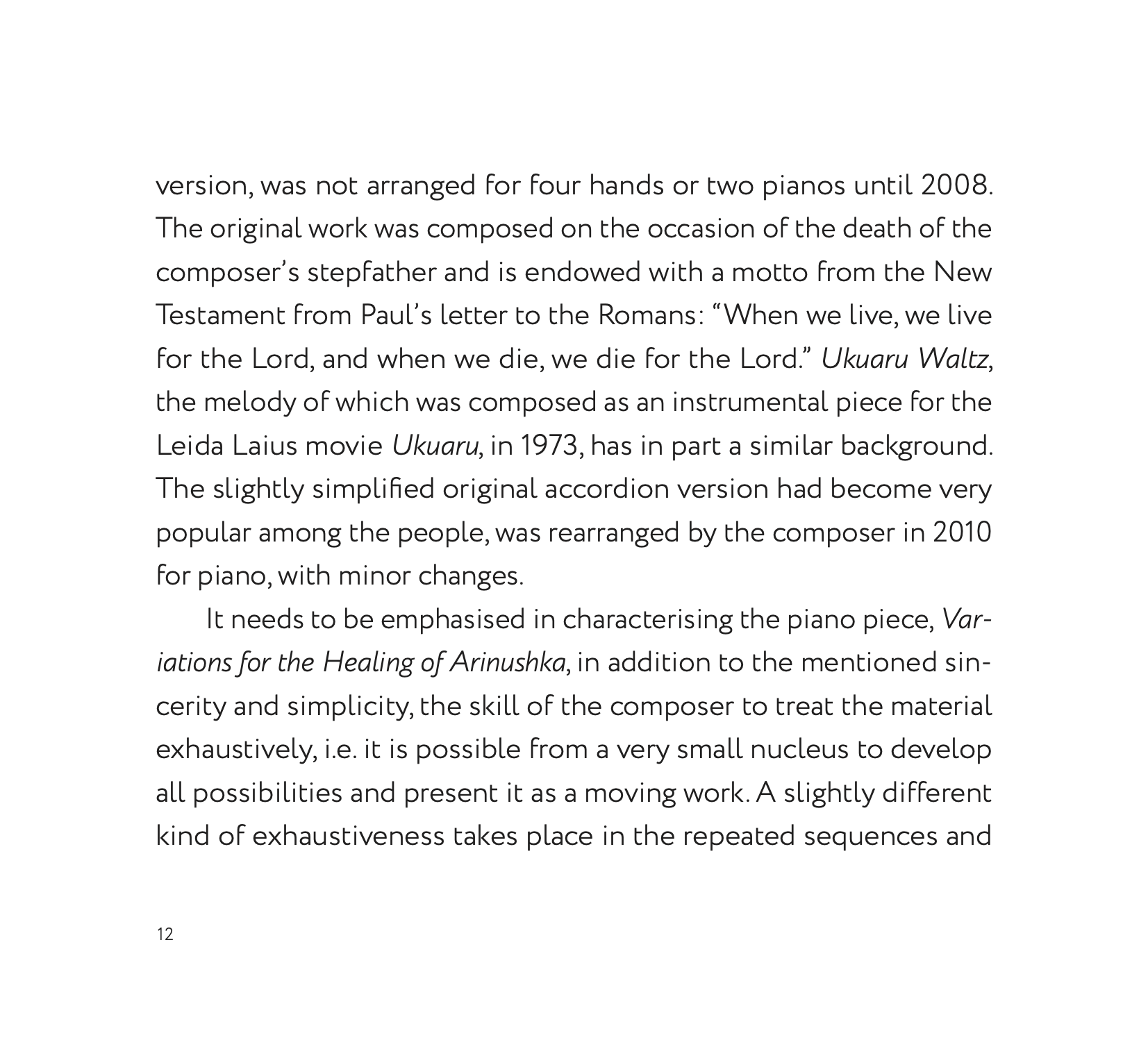 Image 12 of 19
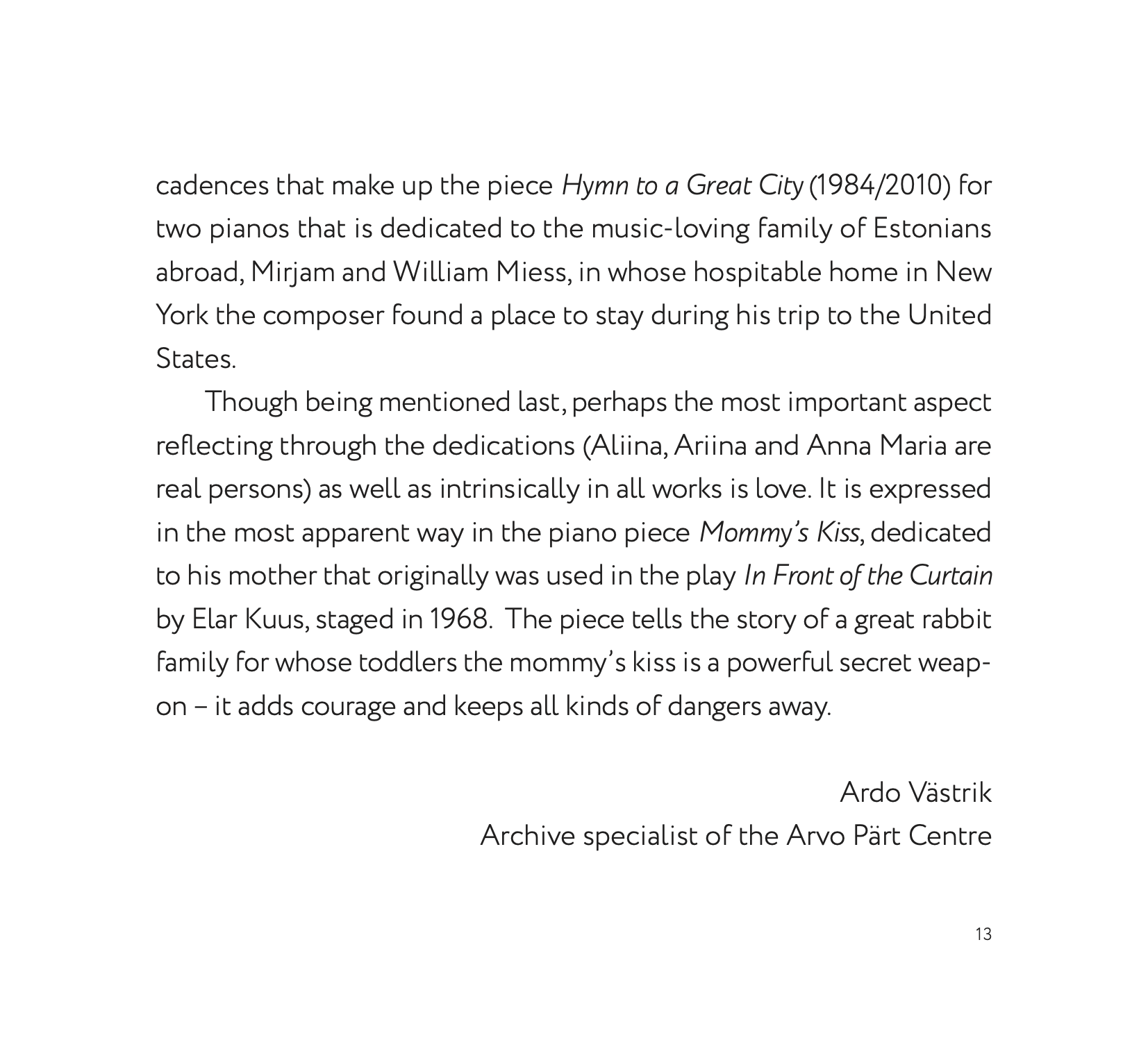 Image 13 of 19
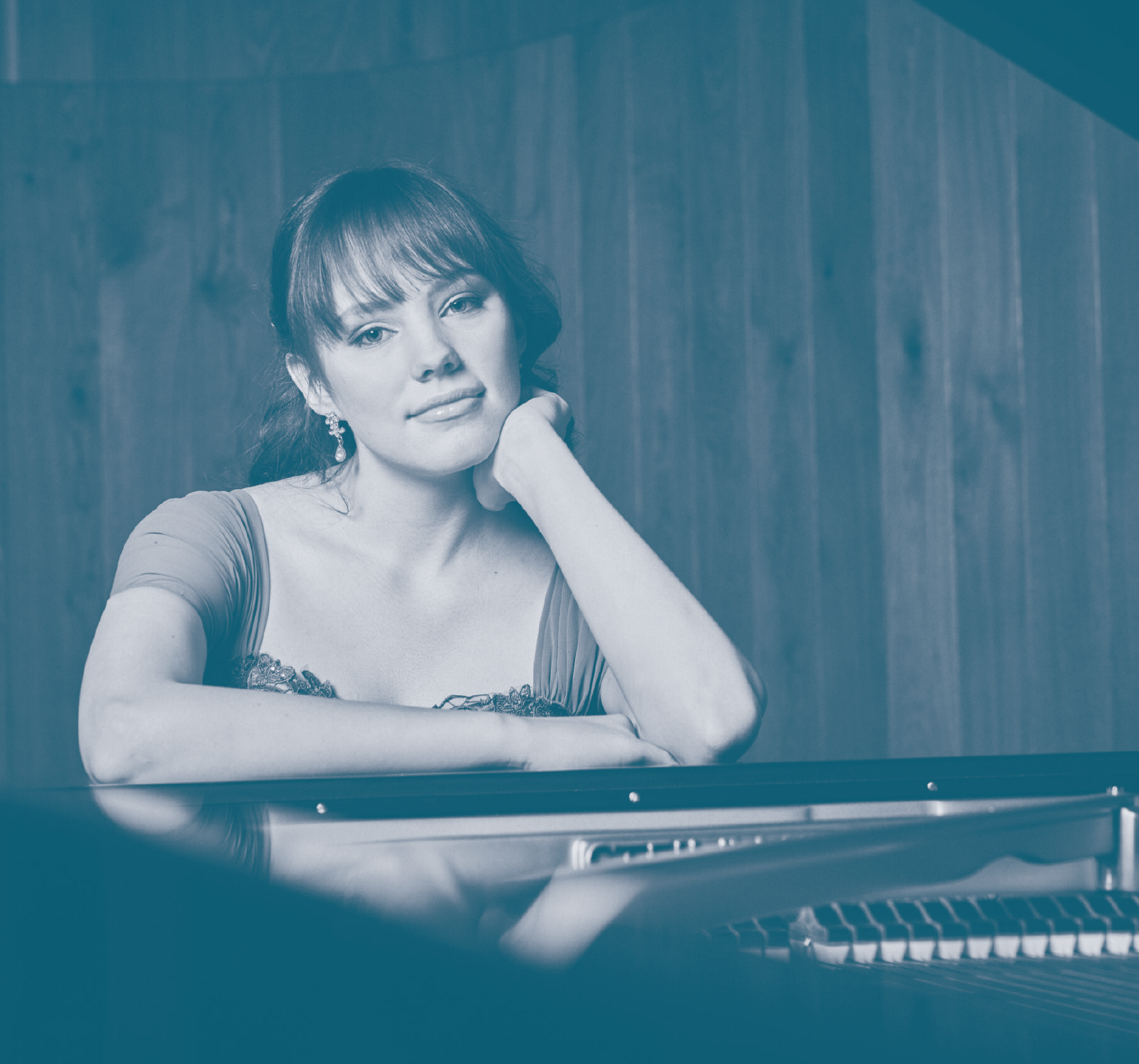 Image 14 of 19
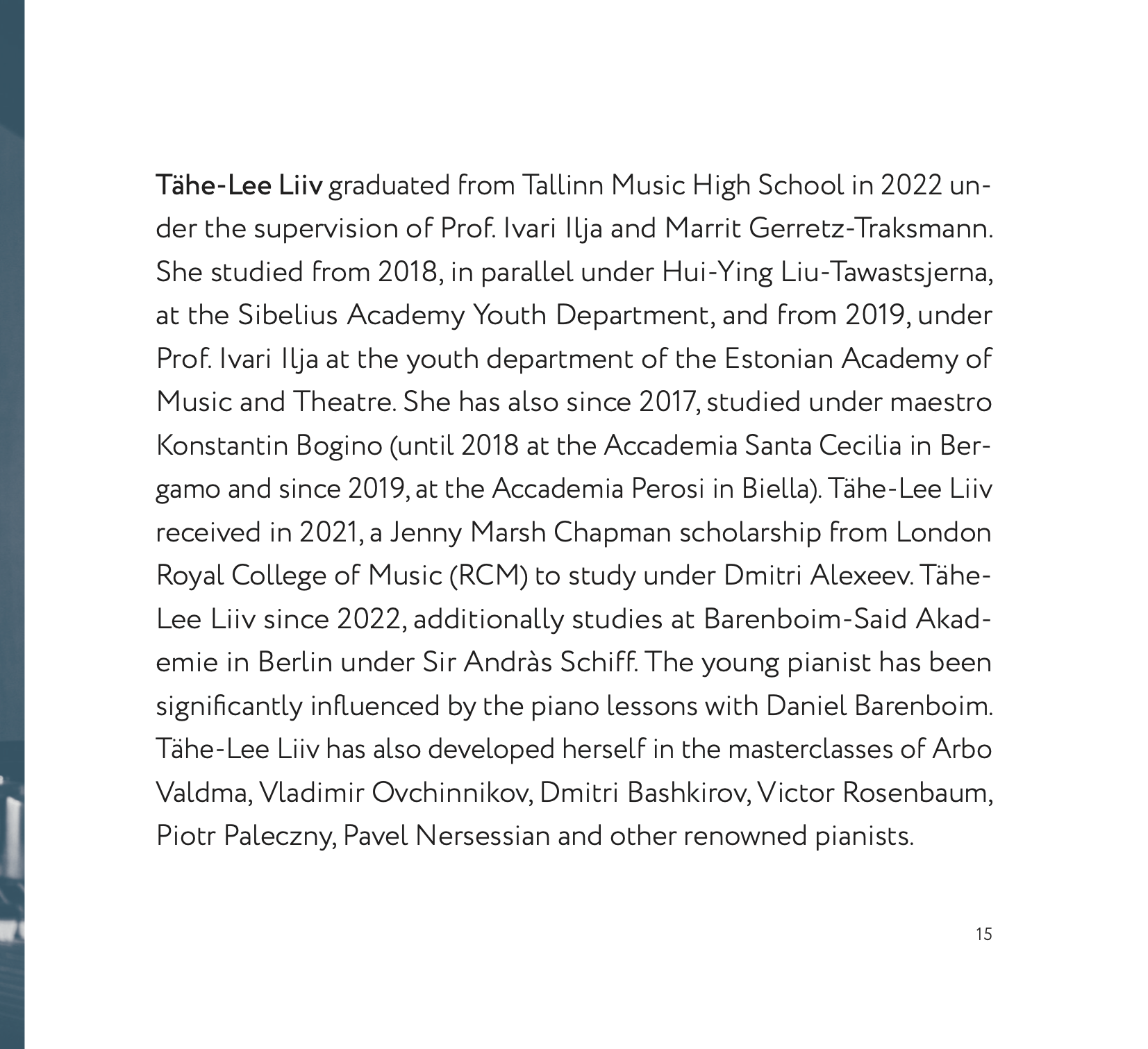 Image 15 of 19
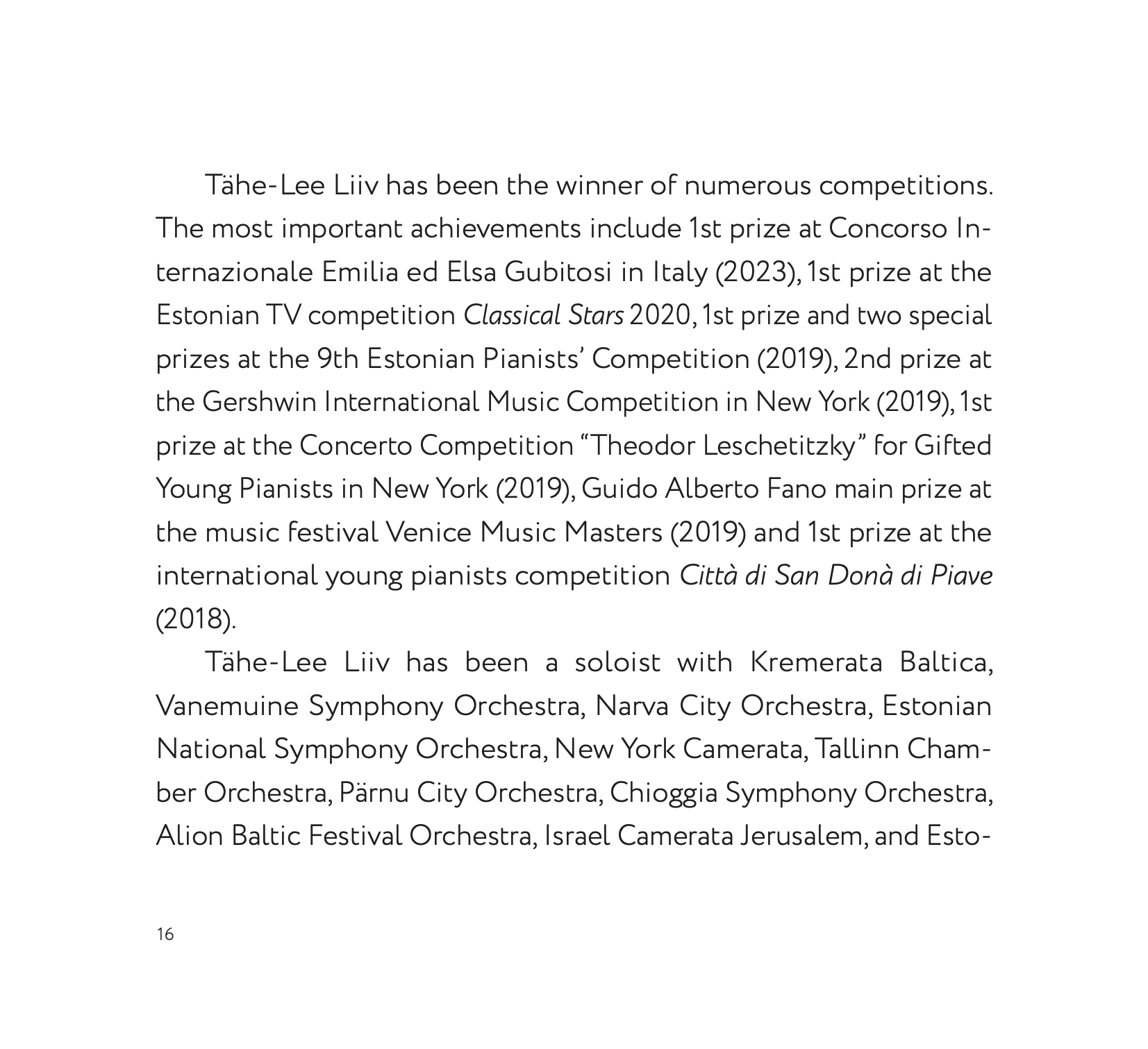 Image 16 of 19
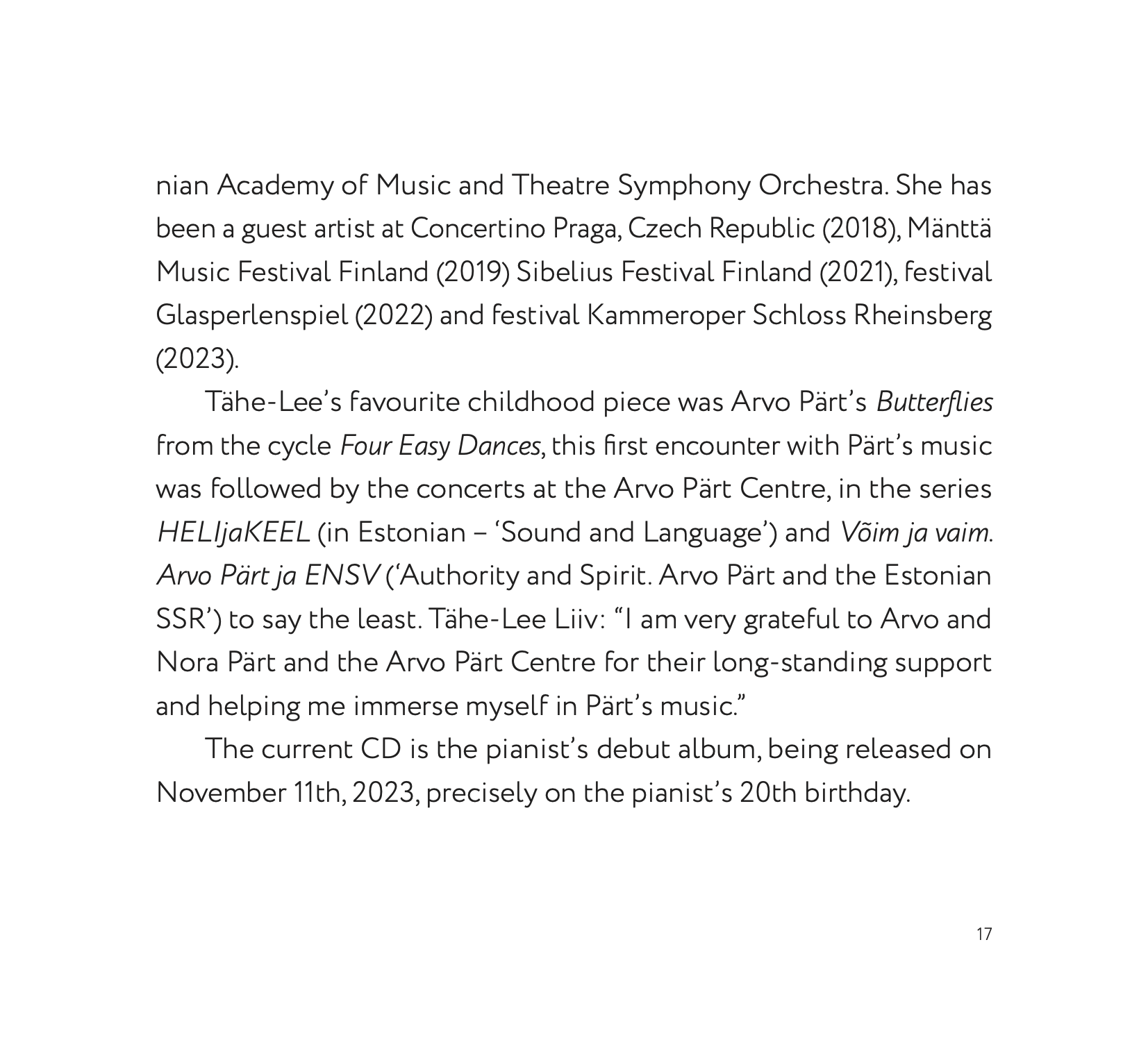 Image 17 of 19
 Image 18 of 19
 Image 19 of 19